How Staff Training Impacts Quality of Care in Assisted Living
When you choose an assisted living community, you are choosing more than an apartment and a dining room. You are choosing the people who will help you start your mornings, notice when something feels off, and greet you by name in the hallway. Those daily interactions shape your experience far more than any amenity ever could.
That is why staff training deserves a closer look. It is easy to focus on floor plans and activity calendars during a tour, but the skill, patience, and judgment of the team are what truly define quality assisted living. Thorough training is the difference between care that is simply adequate and care that feels genuinely attentive and compassionate.
Here is how staff training shows up in everyday moments, and why it matters so much to your comfort, safety, and well-being.
Staff Training: The Part of Assisted Living You Cannot See in a Brochure
Brochures can show you beautiful common areas and smiling faces, but they cannot show you how a caregiver responds when you feel unsteady, or how gently someone helps you through a routine you once handled on your own. Training lives in those quiet, unscripted moments.
Well-trained team members bring a combination of practical skills, emotional awareness, and good judgment to every interaction. Together, these qualities create an environment where you can feel safe, respected, and understood.
How Staff Training Shows Up in Your Morning Routine
Much of the support in assisted living happens during ordinary routines like bathing, dressing, and getting around. These tasks require real technical skill to be done safely and comfortably.
Properly trained caregivers know how to help with mobility and transfers, use assistive devices correctly, and follow fall prevention practices. They understand how to position themselves, how much support to offer, and when to let you take the lead. The result is help that feels steady and confident, so you never have to worry about being rushed or handled awkwardly.
Training also teaches team members to watch for small changes during these routines. A new hesitation getting out of a chair or a shift in balance can be early signs that something needs attention, and a skilled caregiver knows to notice and share them.
Personalized Care Begins With Well-Trained Listeners
No two residents are alike, and good training teaches caregivers not to treat them as if they were. Instead of relying on one-size-fits-all routines, trained team members observe, listen, and adapt.
Over time, they learn your habits and preferences. Maybe you prefer a morning shower over an evening bath, take your coffee a certain way, or like a few extra minutes to wake up before starting your day. A well-trained caregiver keeps those details in mind and weaves them into the support you receive.
This personal approach extends to your home as well. Whether you live in a cozy studio or a roomier two-bedroom apartment, attentive team members respect your space and how you like things arranged, helping it feel truly yours.
Respectful Communication: Staff Training You Can Hear
The way a caregiver speaks to you matters. Training helps team members communicate with warmth and respect, explain each step before offering help, and listen without rushing.
These habits build trust. When someone consistently speaks to you kindly and asks before assisting, it becomes easier to accept help and share your needs or concerns openly. Good communication also means paying attention to what is not said. Skilled teams learn to read body language, tone, and behavior, and to understand that behavior is often a form of communication that offers insight into how someone is truly feeling.
Trained Eyes That Notice Health Changes Early
One of the most valuable benefits of a well-trained team is early awareness. Caregivers who see you regularly are often the first to notice subtle shifts in appetite, energy, mobility, sleep, or mood.
When those changes are spotted early, they can be addressed before they become bigger concerns. A caregiver might notice that you have been eating less, seem more tired than usual, or appear more worried than normal. Emotional well-being matters here, too. Feelings like anxiety in older adults can sometimes go unrecognized, but trained team members know to look beyond physical needs and offer support for the whole person.
When the Unexpected Happens: Emergency Training in Assisted Living
Emergencies are rare, but preparation makes all the difference when they occur. Staff training covers how to stay calm, follow established procedures, and put resident safety first.
Whether it is a sudden health concern, a fall, or severe weather, trained team members know what to do and act quickly and confidently. Knowing that the people around you are prepared for the unexpected brings real peace of mind to you and your family.
Compassion as a Core Part of Assisted Living Staff Training
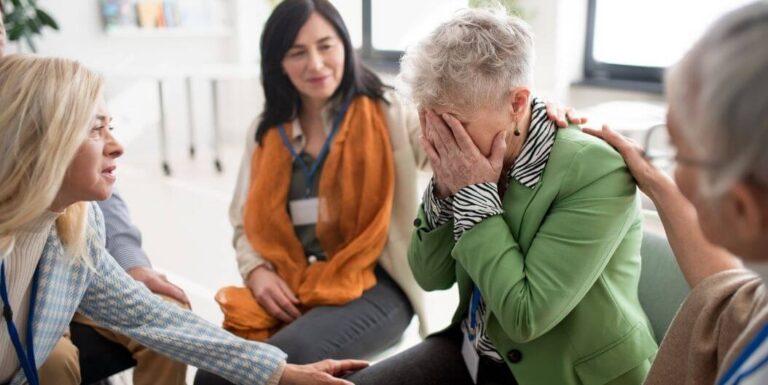
Technical skills are essential, but compassion is what makes care feel human. The best training programs help caregivers understand the emotional side of receiving support, including how it can feel to need help with tasks you once managed easily.
Compassionate caregivers protect your dignity, offer encouragement, and see you as a whole person with a rich history and unique personality, not simply someone who needs assistance. They take time to chat, share a laugh, and make you feel valued. These moments of kindness often become the most meaningful part of daily life.
Ongoing Education Keeps Assisted Living Care Consistent
Training should never stop after a caregiver’s first week. Communities committed to quality invest in continuing education, so team members stay current on best practices and refine their skills over time.
Regular training also helps maintain consistent standards across the entire team. That means you receive the same thoughtful level of support no matter who is on duty, whether it is a weekday morning or a late weekend evening.
As you explore communities, it is worth watching how team members interact with residents during your visit. Notice whether they greet people by name, speak with patience, and seem genuinely engaged. These small observations can reveal a great deal about the training and culture behind the care. In the end, well-trained staff are what turn a beautiful building into a true home, where you feel safe, respected, and cared for every single day.
Meet the People Behind the Care at The Veraden Senior Living
At The Veraden Senior Living in Edmond, Oklahoma, our Assisted Living residents receive individualized care from a team dedicated to their comfort and well-being. Support includes 24-hour nurse care, assistance with daily living activities, pull cords and pendants for assistance, safety-equipped bathrooms, and access to an underground tornado shelter for added peace of mind.
Life here is full of connection, from book club, yoga, and faith services to knitting and crochet club, movie nights, and three chef-prepared meals every day. Residents also enjoy our fitness center, outdoor heated pool, library, game room, and pub and lounge. We would love for you to meet our team in person and see the difference genuine, attentive care can make. Schedule a tour now!