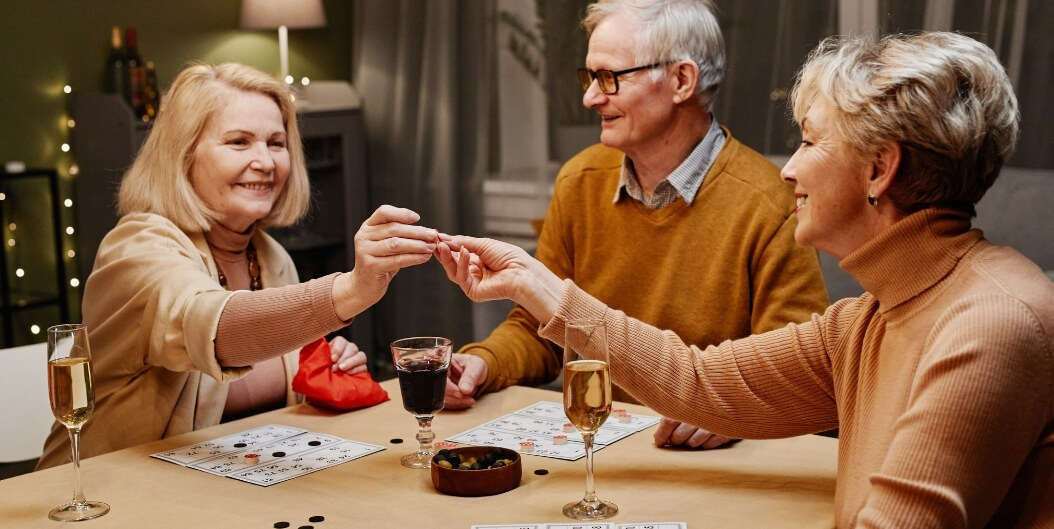
Poker Nights in Assisted Living: Cognitive Benefits of Card Games for Seniors
When people think about assisted living activities, card games may not be the first thing that comes to mind. However, a friendly poker night can offer much more than entertainment. Card games encourage social interaction, mental engagement, and friendly competition, all of which contribute to a fulfilling lifestyle for older adults.
The cognitive benefits of card games have made them a popular activity in many senior living communities. Whether residents are playing poker, rummy, bridge, or another favorite game, these activities provide opportunities to exercise the mind while enjoying time with friends.
Why Mental Stimulation Matters as We Age
Just like physical activity helps keep the body active, mentally stimulating activities help keep the brain engaged. Activities that encourage concentration, memory, decision-making, and problem-solving can support cognitive wellness and help older adults remain mentally active. Research has shown that games and other mentally engaging hobbies may help support attention, memory, and overall cognitive function in older adults.
Card games are particularly effective because they combine multiple cognitive skills into one enjoyable activity.
Poker Encourages Strategic Thinking
Poker is more than a game of chance. Players must pay attention to the cards on the table, remember previous plays, assess probabilities, and make decisions based on changing circumstances.
These mental tasks engage executive functioning skills, which include planning, decision-making, and problem-solving. The ability to evaluate options and make strategic choices helps keep the mind active and engaged. Studies have found that card-game-based cognitive activities can support executive control and cognitive performance in older adults.
Card Games Support Memory and Recall
Many card games require players to remember information throughout the game. Whether tracking which cards have been played or recalling previous rounds, players are regularly exercising memory skills.
Games that involve remembering patterns, sequences, or discarded cards provide opportunities to practice both short-term memory and recall. Regular participation in mentally stimulating activities such as card games may help support cognitive health over time.
Social Interaction Enhances the Benefits
One of the greatest advantages of poker nights and other card game gatherings is the social component. Assisted living residents are not simply playing a game. They are sharing conversations, building friendships, and enjoying a sense of community.
Social engagement plays an important role in emotional and cognitive wellness. Participating in group activities can help reduce feelings of loneliness while creating meaningful connections with others. Card games naturally encourage communication, laughter, and interaction in a relaxed setting.
Friendly Competition Can Boost Confidence
Many seniors enjoy the challenge of learning strategies, improving their skills, and competing in a fun environment. Friendly competition can create a sense of accomplishment and purpose.
Winning a hand of poker or successfully executing a strategy can build confidence and provide positive reinforcement. Even when the outcome is uncertain, the process of participating and engaging with others contributes to an enjoyable experience.
Card Games Promote Focus and Concentration
Successful card play requires attention. Players must follow the game, watch other participants, and stay focused on the current hand.
This sustained concentration can provide valuable mental exercise. Activities that challenge attention and focus encourage the brain to stay engaged and active, helping residents remain mentally involved in the present moment.
Assisted Living Creates Opportunities for Meaningful Activities
One reason activities such as poker nights thrive in assisted living communities is the availability of organized programs and social opportunities. Residents can participate in activities that match their interests without the stress of planning or coordinating events themselves.
Assisted living communities often provide a variety of recreational, educational, and social experiences that encourage engagement and help residents maintain active lifestyles. Card games fit naturally into this environment because they are accessible, familiar, and enjoyable for many older adults.
Different Activities Support Different Needs
While assisted living focuses on helping residents maintain active and engaged lifestyles, memory care provides specialized support for individuals living with Alzheimer’s disease or other forms of dementia.
Memory care programs often include structured activities designed to encourage cognitive engagement at an appropriate level for each resident. These activities may incorporate games, social interaction, music, and other experiences that help support daily well-being and quality of life.
Having both assisted living and memory care options within a senior living community can provide valuable continuity as needs change over time.
Discover an Engaging Lifestyle at The Veraden Senior Living
The cognitive benefits of card games go far beyond the cards themselves. Activities like poker encourage strategic thinking, memory, concentration, and social connection while creating opportunities for fun and friendship.
At The Veraden Senior Living, residents can enjoy independent living, assisted living, and memory care options within a welcoming community designed to support engagement and well-being. Through social activities, meaningful programs, and opportunities to connect with others, residents can continue enjoying the hobbies and experiences that make life fulfilling.
To learn more about the community, schedule a tour here.