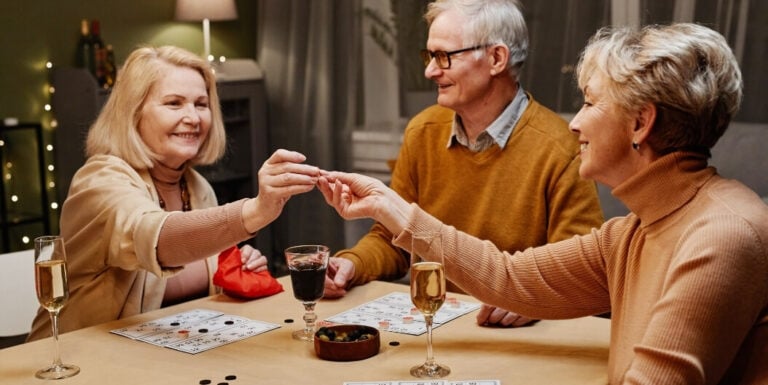
The Advantages of Smaller, Home-like Assisted Living Communities
Choosing the right senior living community is a meaningful decision, and for many older adults and their families, the environment matters just as much as the services offered. Smaller, home-like assisted living communities have become an increasingly appealing option for those seeking comfort, connection, and personalized support.
These senior living settings often feel less overwhelming than larger communities while still offering the structure, safety, and lifestyle benefits people are looking for when exploring independent living, assisted living, or memory care options.
Understanding what sets these communities apart can help individuals and families feel more confident when considering next steps.
What Defines a Smaller, Home-like Assisted Living Community?
A Residential Setting Designed for Comfort and Familiarity
Smaller assisted living communities are typically designed to resemble traditional homes rather than large-scale senior living complexes. With familiar layouts, cozy shared spaces, and residential-style architecture, these environments can feel immediately welcoming. Many people find comfort in surroundings that look and feel like a neighborhood home rather than a bustling campus, which can make the transition into senior living feel more natural and less disruptive.
This home-like atmosphere often supports emotional well-being by reducing stress and creating a sense of ease in daily life.
Fewer Residents, More Meaningful Daily Experiences
One of the defining features of smaller senior living communities is a lower resident count. With fewer people sharing common spaces, daily routines tend to feel calmer and more personal. Meals, activities, and social interactions can feel more relaxed, allowing residents to enjoy meaningful connections without feeling lost in a crowd.
Personalized Support That Feels Truly Individual
Consistent Caregivers Who Know Residents Well
In smaller assisted care communities, caregivers often work closely with the same residents each day. This consistency allows staff to become familiar with individual preferences, routines, and personalities. Over time, these relationships can foster trust and comfort, which is especially valuable for residents who benefit from gentle reminders or hands-on support throughout the day.
For those exploring assisted living, personalized attention is often a top priority, and smaller communities are well-positioned to deliver that level of individualized support.
Flexible Daily Routines That Respect Independence
Smaller assisted living communities often provide support in ways that feel unobtrusive rather than structured around rigid schedules. Residents can maintain a sense of independence while still having assistance available when needed. This balance allows people to enjoy daily life on their own terms while knowing help is nearby.
Stronger Social Connections and a Sense of Belonging
Easier Relationship Building Among Residents
With fewer residents, it is often easier to form friendships and feel a sense of belonging. Familiar faces at meals and activities encourage conversation and connection, helping residents build meaningful relationships at a comfortable pace. For many older adults, this social ease plays a key role in overall happiness.
A Community That Feels Like Family, Not Just a Place to Live
Smaller senior living communities often foster an environment where residents, caregivers, and families feel connected. This sense of closeness can create a warm, supportive atmosphere that feels more like an extended household than a traditional senior living community.
Ideal Environments for Memory Care Support
Calmer Spaces That Reduce Confusion and Anxiety
Smaller, home-like environments can be especially beneficial for individuals receiving memory care support. A quieter setting with familiar surroundings may help reduce overstimulation and promote a sense of calm. Simple layouts and consistent spaces can make daily navigation easier and more comfortable.
Those researching Memory Care often find that smaller communities provide an environment that supports dignity, routine, and reassurance.
Predictable Routines That Encourage Confidence
Consistency is an important element of memory care, and smaller communities can naturally support predictable daily rhythms. Familiar caregivers, consistent schedules, and recognizable spaces can help residents feel more confident and secure in their surroundings.
A Better Lifestyle Balance for Independent Living Residents
Privacy and Freedom Without Social Isolation
Smaller senior living communities can also be appealing for those interested in Independent Living. Residents often enjoy private living spaces while still having opportunities to engage socially when they choose. This balance allows for independence without the risk of isolation.
Support Nearby Without Disrupting Independence
Living in a community that also offers assisted living and memory care can provide peace of mind. Independent living residents can feel reassured knowing that supportive services are available nearby if needs change over time.
Discover a More Personal Senior Living Experience at The Veraden
The Veraden offers a thoughtfully designed senior living experience that includes independent living, assisted living, and memory care, all within a warm, home-like environment. Residents can enjoy personalized support, meaningful connections, and comfortable surroundings tailored to evolving needs.
Finding the right senior living community is an important step, and exploring options in person can make all the difference. Schedule a tour to see how The Veraden supports comfort, connection, and confidence in daily life through its independent living, assisted living, and memory care options.